Train to the Alps: Rent on Arrival or Bring Your Gear?

Planning a rail-powered ski weekend raises one brilliant, practical question: should you rent at the resort or haul your own skis, boots, and poles across platforms and carriages? Here, we unpack costs, comfort, logistics, performance, and peace of mind, drawing on real traveler stories and pragmatic strategies. Share your experiences and questions, subscribe for new tips, and discover how to make every hour between departure and fresh corduroy count without unnecessary stress or expense.

Counting the Real Costs

Price tags rarely tell the full story when the journey involves train connections, station walks, and tight weekend timetables. We compare rental packages, tuning needs, baggage add-ons, storage lockers, and the small but sneaky purchases like straps, wax, and last-minute socks. Expect nuanced scenarios that reflect group sizes, snow forecasts, and varying exchange rates, so you can choose a financially smart path that still protects your fun, comfort, and performance expectations on changing mountain conditions.
Run side-by-side calculations for a two-day rail escape: bringing your quiver versus reserving mid-range or premium rentals beside the station. We include tuning, potential luggage services, lockers, and time-as-money tradeoffs. By mapping realistic costs and risks, you gain clarity, avoid false savings, and can confidently reserve early deals or shift resources toward lessons, avalanche courses, or a memorable on-mountain lunch without sacrificing essential performance for the conditions you hope to ride.
Rental packages often bundle convenience with flexible sizing, current-season models, and quick swaps for unexpected hardpack, slush, or storm cycles. Yet extras like helmets, upgraded boots, or insurance can add up. Understanding service levels, edge sharpness guarantees, overnight adjustments, and return windows prevents surprises. Ask about late pickup, early drop-off, and tune refreshes after icy mornings. With clear expectations, renting becomes a precise tool, not a gamble that eats time or compromises confidence when weather changes suddenly.

Gliding Through Stations and Carriages

Trains reward smart packing and calm choreography. Know where ski racks live, whether overhead shelves can handle a boot bag, and how to stage your entry when crowds surge. Plan station transfers with platform maps, elevator availability, and shuttle timetables to minimize awkward stair battles. Consider compact ski bags, roll-top duffels, and boot warmers that plug into portable batteries. Small choices compound into a smoother, friendlier ride that keeps shoulders fresh for carving instead of wrestling luggage between connections.

Boarding with Bulky Bags

Practice a boarding routine: skis in hand with straps tightened, boot bag worn backpack-style, valuables secured close, and a clear path to designated racks or vestibule spaces. Board from doors nearest luggage zones when possible. Communicate politely, move decisively, and avoid blocking aisles. If traveling as a duo or group, assign roles for lifting and spotting. This thoughtful choreography turns potential chaos into smooth motions, protecting both gear edges and goodwill with fellow passengers during peak departure times.

Transfers, Shuttles, and Last Miles

The fastest rail line still leaves a last-mile puzzle. Research station-to-resort shuttles, on-demand vans, and walkable routes before you depart. Align train arrival times with shuttle departures to avoid standing in snow juggling bags. Some resorts offer luggage transfers or hotel pickups if booked ahead. If renting, look for shops near the station to eliminate extra carrying entirely. Being precise about this short segment often determines whether your first turns are calm, timely, and joyfully unhurried.

Storage, Lockers, and Overnight Trains

Lockers save shoulders and schedules. At major mountain gateways, reserve in advance, especially on holidays. On overnight services, secure your gear for peace of mind, and consider a cable lock for shared racks. Pack a small sleep kit, hydration, and snacks to step off refreshed. If renting, you might carry only a helmet and layers, sleeping lighter and waking ready for coffee and swift pickup. Thoughtful stowage decisions protect energy so your first run feels crisp rather than compromised.

Edge Feel, Fit, and Familiarity

Performance on snow begins with confidence underfoot and comfort in your stance. Your own boots can feel like home, translating micro-movements precisely on firm morning groomers or wind-buffed ridgelines. Meanwhile, modern rental fleets offer versatile shapes, fresh tunes, and quick swaps as weather flips. We explore when personal familiarity outweighs hauling effort, and when tailored rentals unlock better matches for conditions, keeping your edges honest, your knees happy, and your turns stacked with effortless rhythm by lunchtime.

01

Boots: Your Most Personal Piece

Boots shape every turn, so predictability matters. Custom liners and footbeds travel well, while shell fit tolerates mishandling poorly. If trains and stairs worry you, consider bringing liners and footbeds to improve rental shells. Ask shops for consistent flex targets and shell volumes. Warm your liners before fitting to mimic home conditions. When your ankles feel trusted and pain-free, you ski longer, recover faster, and find that every staircase and platform crossing was worth the extra attention to fit.

02

Skis: Matching Conditions and Style

Your daily drivers may not love surprise rain crust or heavy spring mash. Rentals let you pivot models: narrow carvers for polished pistes, rockered mid-fats for chop, or longer boards when snowfall spikes. If you bring skis, verify tune readiness for variable temperatures. Discuss sidecut, stiffness, and mount points with techs who know the week’s forecast. Being intentional with model choice turns uncertain weekends into masterclasses in control, letting you adapt confidently rather than fight unpredictable morning refreezes.

03

Tuning, Wax, and Confidence

Sharp edges and appropriate wax translate directly to fewer slips on shaded steeps and faster glide across flat runouts to lifts. Rentals may promise fresh tunes, but confirm edge angles and wax types. If you bring gear, schedule a tune timed to departure and pack a small rub-on for temperature swings. Nothing restores belief like secure grip when it counts. That confidence compounds on every run, freeing your mind for flow, good lines, and playful arcs between sparse weekend crowds.

Time Wins on Short Weekends

Rail weekends compress joy into focused hours. Small delays magnify. We show how to arrive ride-ready: pre-booking rentals for express pickup, packing boots accessibly for quick-change platforms, and aligning train times with lift openings. Little efficiencies mean hot coffee instead of frantic sprints, and first-chair laps instead of queue frustration. Choose strategies that protect sleep, preserve warmth, and keep group energy aligned, because a calm Saturday morning often determines whether your Sunday still feels open, light, and celebratory.

Departure Day: Office to Overnight

Finish work, zip a modular bag, and head straight to the platform with snacks, base layers, and essentials pre-sorted. If bringing gear, strap skis to minimize swing and keep boots reachable for warm feet onboard. Renting? Confirm pickup window and required IDs. Set alarms for transfer stops to avoid rushed exits. The smoother your departure rhythm, the more mental space you retain for snowfall updates, restaurant reservations, and the motivating anticipation of first light across ridge lines.

Arrival Morning: From Platform to Piste
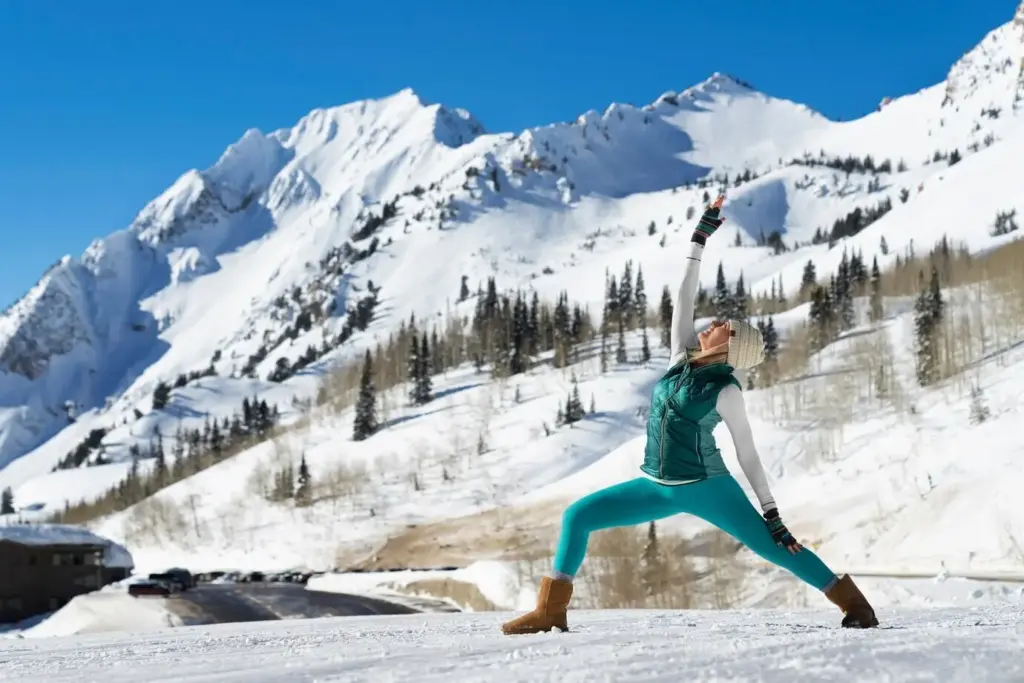
Plan a micro-itinerary: coffee, locker drop, rental pickup or gear assembly, pass purchase or reload, and direct route to your chosen warm-up slope. Aim for efficient warmth-up laps to gauge edge hold and boot comfort, adjusting buckles or swapping skis early if needed. A deliberate first hour unlocks flow, reduces faffing, and sets your group’s vibe. Share your checklist with friends, and comment with your best station-to-chair hacks to help fellow riders streamline those precious minutes.

Return Logistics Without Stress

End strong by reversing the plan without panic. Schedule gear return buffers, confirm train seats together, and pre-pack layers for cozy travel. If bringing equipment, wipe moisture, protect edges, and secure straps before boarding. Decide on a final celebratory snack near the station rather than frantic platform sprints. The last hour can amplify contentment or erode it; treat it like a final groomer: smooth, predictable, and friendly. Share your timing wins with the community to inspire calmer goodbyes.

Footprint, Space, and Sanity

Trains already shrink travel emissions versus typical flights, and mindful gear choices add another layer of stewardship. Renting can reduce cargo, lighten crowds on aisles, and support local shops that maintain fleets season-round. Bringing beloved gear may prevent unnecessary new purchases, extending lifespans responsibly. We weigh these tradeoffs alongside space in carriages, noise for neighbors, and your personal sanity in motion. Sharpen a travel style that respects the journey, the mountains, and the people sharing that journey with you.

Trains vs. Checked Baggage Emissions

Rail travel typically beats flights on carbon intensity, and skipping excess freight can enhance that margin. Renting keeps loads lighter and reduces wear from repeated transport. However, maintaining and reusing personal gear efficiently may offset rental manufacturing footprints. Consider trip frequency, transport distances, and gear durability. Choose repair over replacement, and seek shops that tune responsibly. Sustainable decisions rarely hinge on a single factor; they blossom from consistent, thoughtful habits that make great days feel even more meaningful.

Packing Light Without Compromise

A focused checklist unlocks surprising freedom. Prioritize warm, versatile layers, compact tools, and a small first-aid kit. If renting, carry only critical fit items like custom footbeds, thin socks, and favorite goggles. When bringing gear, use lightweight bags, distribute weight smartly, and roll apparel to protect edges. The goal is not minimalism for its own sake, but a balanced kit that travels politely, keeps you warm, and preserves energy to laugh, explore, and savor long glides between friends.

Sharing and Renting as Community Support

Local rental shops are community hubs employing techs, mentors, and young riders. Your reservation helps sustain off-peak operations and funds better tunes. Ask about demo days, trade-in programs, and donation bins for gently used layers. Conversely, when you bring gear, consider booking a quick tune locally to contribute. Introduce yourself, learn snowpack updates, and exchange route ideas. This relationship turns a transaction into camaraderie, and your weekend into a small, positive investment in the place you’ve come to enjoy.

Risk, Insurance, and Peace of Mind

Even perfect plans meet surprises: late trains, sudden ice, or a misplaced pole in crowded corridors. Reduce stress by clarifying rental insurance, checking home policy coverage for personal equipment, and preparing backups for critical comfort items. We outline what to photograph, how to document damage, and who to call when timelines shift. The right safety net frees attention for snow and smiles, making every car ride, gondola chat, and final turn home feel safer, lighter, and confidently resilient.

Damage, Theft, and Deposits

Understand deposit policies, deductible levels, and what constitutes normal wear versus chargeable damage. Photograph gear on pickup, including edges and base condition. Use cable locks at racks and keep boots indoors overnight. When bringing your own equipment, confirm serials and keep receipts handy. If something goes wrong, calm documentation helps resolve issues quickly. Knowledge here is not pessimism; it is permission to relax, focus on technique, and enjoy soft snow without a muted worry humming under each turn.

Backups When Plans Change

Trains can delay; snow can transform. Have a backup rental reservation or a list of nearby shops with early hours. Pack spare gloves, a thin buff, and an extra lens to keep going when forecasts shift. If your personal skis arrive damaged, a pre-researched rental counter becomes a bridge, not a setback. Redundancy does not add clutter; it creates options. Options reduce anxiety, and reduced anxiety preserves stamina for the fun parts: exploring, flowing, and grinning into the wind.

Health, Safety, and Fit Notes

Feet swell after travel, and cold platforms sap warmth fast. Warm liners, adjust buckles gradually, and reassess stance after the first run. If renting, explain prior injuries and preferred flex to the tech. Keep hydration high and snacks accessible for heavy snow days. Small fitness prep—mobility work and balance drills—pays dividends. When your body feels supported, gear decisions become easier, and the rent-or-bring debate resolves itself around what keeps you safe, present, and genuinely excited to ski.
Pixixivivulizitefolito
Privacy Overview

This website uses cookies so that we can provide you with the best user experience possible. Cookie information is stored in your browser and performs functions such as recognising you when you return to our website and helping our team to understand which sections of the website you find most interesting and useful.